
WALL PAINT
LAB CHALK
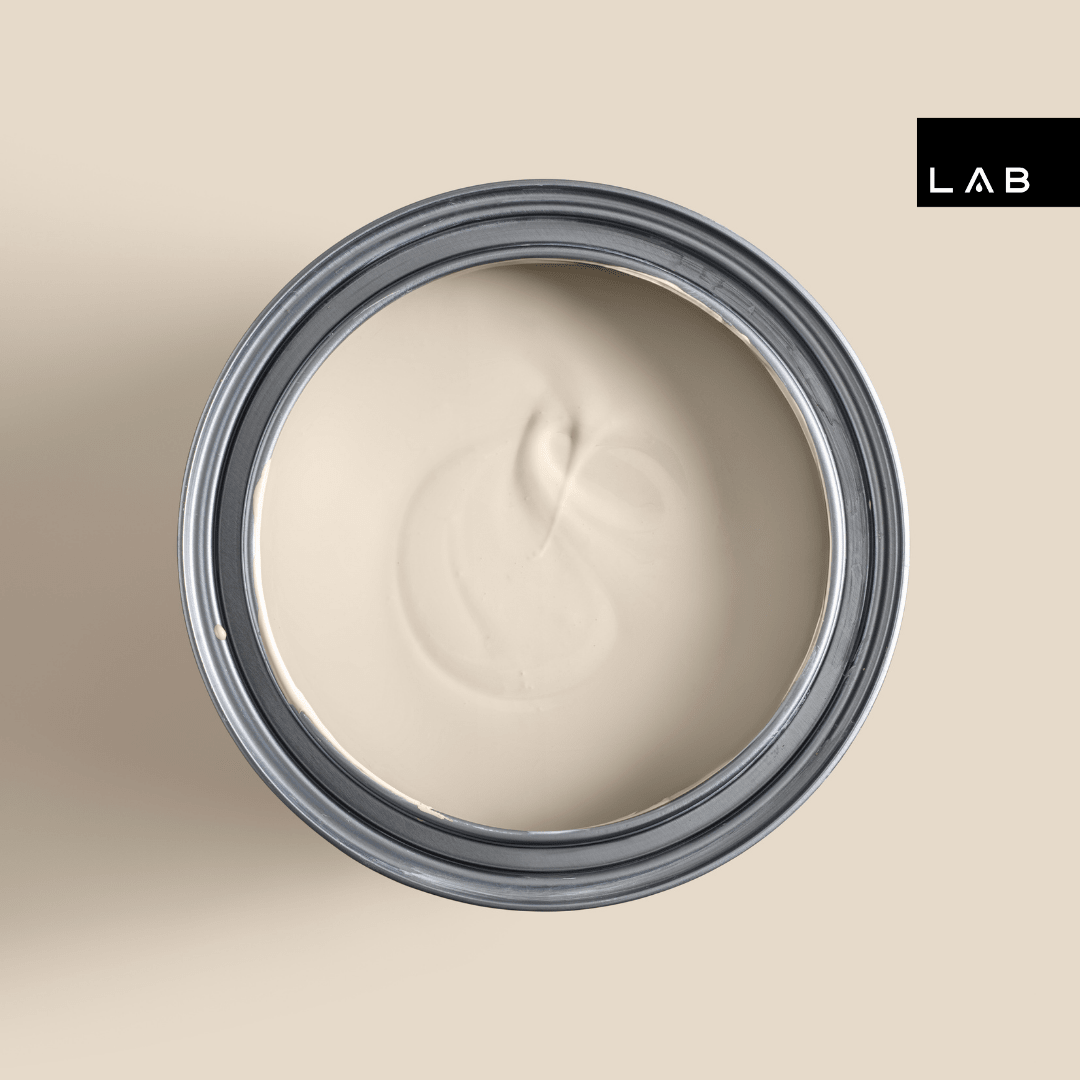
LAB chalk is a durable, matte lime paint for interiors. With LAB chalk, you can create beautiful color variations on walls or ceilings. It creates a stylish, natural look with a subtle, chalky finish. The paint is breathable, resistant to mold and bacteria, solvent-free, and 100 percent mineral, making it not only aesthetically appealing but also beneficial for a healthier indoor climate.
Want to learn more about applying LAB chalk? Watch the HOW TO LAB video.
Before you begin
EASY TO READ


Vibrant shades
LAB chalk gives every room a soft, lively look thanks to the subtle color variations that emerge during application. Its distinctive finish looks beautiful on both walls and ceilings and fits perfectly into a calm, natural interior. Available in all LAB colours and almost any color.
Need help?
FREQUENTLY ASKED QUESTIONS
LAB CHALK
The main difference between LAB chalk (lime paint) and regular wall paint is that wall paint gives an even finish, while lime paint adds various shades of color to the surface, making the final result unique. You can choose the effect you want: cloudy, crosshatched (crisscross) or streaky. Lime paint is also more delicate. You can apply lime paint with a block brush, sponge or cloth. A block brush is most commonly used. We always recommend trying a sample first.
For LAB chalk (lime paint), the darker and/or brighter the color, the more visible the color variations. This is because there is a lot of contrast with the white color of the lime. This effect is naturally less noticeable with a light color.
For beautiful color variations, dilute the first coat of LAB chalk with 10 percent water and the second coat with 30 percent.
We always recommend applying a test patch first to assess the effect of the lime paint. Lime paint is a natural product with unique, unstable properties that give it its distinctive appearance, but also make it difficult to control the final result. That is why we recommend testing it first.
LAB chalk creates a unique, vibrant finish with natural color variations. You can choose the effect you want to create:
- Crosshatch (most commonly used): apply LAB chalk in crisscross strokes using a block brush.
- Mottled effect: use a block brush, sponge or cloth and make circular motions.
- Streaky effect: apply the paint vertically with a block brush, from ceiling to baseboard.
Step-by-step guide
Preparing the surface:
- Treat new plaster and absorbent surfaces first with LAB wallfix (1-2 coats) using a roller or brush. Drying time: approx. 4 hours.
- Then stabilize with LAB chalk 1 (primer) (1 coat). Drying time: at least 4 hours.
Applying LAB chalk:
- Use a block brush and work wet-on-wet for a beautiful blend.
- For extra depth and variation, apply two coats if possible.
- Drying time between coats: at least 7 hours.
Diluting for an extra effect:
- LAB chalk is ready to use, but you can dilute it with up to 10% water for more color variation.
- You can dilute the second coat by 10-30% for a more subtle effect.
Important tips:
- Make a test patch to check the desired effect.
- Colors may vary slightly from one can to another. Mix the contents of multiple cans for an even result.
- Do not clean stains with water, as this may cause spotting.
Extra protection:
- For heavily used walls (such as stairwells and kitchens), we recommend applying two coats of LAB chalk 3 (sealer).
Want to order everything at once? Choose a LAB chalk application kit, which includes all the painting supplies you need.
LAB chalk (limewash paint) is naturally porous and therefore less easy to clean. If you want to make the paint easier to clean, we recommend finishing it with 2 coats of LAB chalk 3 (sealer). This is a matte, transparent protective coating that makes the paint more resistant to dirt and stains.
Please note: The sealer may slightly change the appearance of the wall. Although the sealer is matte, it is not as matte as the limewash paint itself, and it may deepen the color slightly. This makes it especially recommended for walls that get a lot of use, such as in the kitchen or by a staircase.
Haven't used a sealer? Then it's important to know that limewash paint is prone to staining. Stains soak into the paint and can be difficult to remove. What's more, contact with water can even make the stain worse, as it reactivates the lime in the paint. So try to gently remove light stains as soon as possible with lukewarm water, without rubbing. .
You can find the here most frequently asked questions about LAB chalk.
SHOP LAB CHALK